Mountain Interstate Forum on Languages & Cultures (MIFLC 2026)
The Mountain Interstate Forum
on Languages and Cultures Conference
(MIFLC 2026)
 |
October 1-2, 2026(with an optional workshop on Oct. 3rd)消消犯 |
 |
Conference Registration
Conference Guiding Question
This year’s central question is: How do we effectively leverage language, literature and culture as a proficiency-based system to lead students towards intercultural and global learning?
Keynote Speaker: Todd Lee Goen
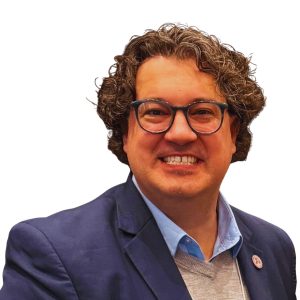
Founder and Principal
Global Puzzles, LLC
MDP Trainer
A veteran international educator, Goen is Founder & Principal of the consulting firm Global Puzzles, LLC, a consulting firm focused on strategic solutions and training for international education. He previously served as Director of Global Education and Senior International Officer at Virginia Military Institute and held faculty appointments at Christopher Newport, Purdue Fort Wayne, and Clemson universities. He is active with AIEA, NAFSA, the Forum on Education Abroad, the Southern States Communication Association, and the World Council on Intercultural and Global Competence. Goen earned a BA from Harding University, MA from the University of Arkansas, and completed all coursework toward a PhD at the University of Georgia. He is recipient of SSCA���s Sisco Excellence in Teaching Award and NAFSA���s Lily von Klemperer Award.
You will have two opportunities to interact with him:
October 1st, Keynote
“Intercultural Competence as a Pathway to Change in Language and Culture Education”
Abstract: Change is an inevitable feature of human experience and a defining characteristic of healthy organizations. Despite its importance, few individuals look forward to change. Indeed, fighting change is the status quo for many. At a time when higher education is under increased scrutiny and society questions its value, it is imperative that language and culture educators consider how they can meet the moment ��� one that demands strategic change. This interactive address pushes participants to explore the ways in which educators can leverage intercultural competence to foster linguistic, cultural, and higher educational transformation. We will explore human perceptions of change, change management, and how to leverage intercultural competence skills to move ourselves and our institutions from positions of resistance to active architects of change. Participants will engage with the content and each other to expand their thinking about ways in which they can play a central role in promoting change.
October 3rd, morning: Add-on Workshop
“Galvanizing Intercultural Competence for Growth: Building Capacities in People, Classrooms, and Organizations”
Abstract: Building on the keynote, this workshop centers intercultural competence as an essential component of global learning that supports the development of many of the skills necessary for academic and professional success. It is a foundational component of most 消消犯 and skill-building related to global education, yet international educators often treat it as a byproduct of global engagement rather than a competency that requires intentional development. Through the lens of developing global career-ready graduates, this workshop challenges globally engaged faculty to employ a three-pronged approach to global learning. First, we will explore ways educators can improve their own intercultural learning to ensure they are equipped to support their students and organizations. Then, we will share methods for integrating the developmental process of intercultural growth into classrooms for the purpose of advancing NACE���s career-readiness competencies. Finally, we will conclude by challenging ourselves to channel our intercultural growth as a catalyst for greater organizational focus on globally oriented processes and outcomes. Each segment of the workshop will provide participants with tools, strategies, and skills to implement in their professional endeavors.